

Introduction
Aging is a natural part of life, but seeing a parent grow older can be emotional for adult children. Parents who once gave guidance may gradually require assistance with daily tasks, healthcare, and household management. Because these changes are often gradual, families may not realize when occasional help is no longer sufficient.
More than just meeting physical needs: caring for elderly parents. It means respecting their dignity, supporting their independence, promoting their emotional well-being, and enhancing their quality of life. Family caregivers manage work, children, finances, and their own health while trying to provide the best possible care.
Today’s families have access to a wider range of care options. Families can find home care, assisted living, nursing homes, community resources and services like LiveIn Helper solutions that fit their loved one’s lifestyle, health needs, and budget.
Understanding the Reality of Caring for Elderly Parents
Many assume caregiving begins only after a medical emergency or major diagnosis. In reality, the need for support often develops gradually over several years.
A parent may begin to forget appointments, avoid chores, struggle with meals, or become less social. These minor changes can accumulate over time, impacting safety and general well-being.
A major challenge is that many older adults wish to remain independent as long as possible. They may avoid asking for help due to concerns about being a burden, losing control, or leaving their longtime home.
These conversations are also difficult for adult children. Some are concerned about overreacting or delaying help, while others who live far away may only notice changes during visits.
Recognizing that aging varies for each individual is essential for creating informed care decisions. Some remain independent into their eighties, while others require assistance earlier due to health or memory concerns.
When focusing solely on age, families should monitor changes in daily routines, mood, and safety.
Recognizing When an Aging Parent Needs Help
It is not always easy to recognize when an aging parent needs help, as many seniors hide their struggles to avoid worrying their families. Instead of focusing on isolated incidents, look for ongoing changes such as difficulty keeping up with household chores, declining personal hygiene, trouble with mobility, frequent falls, or increasing forgetfulness. Missed medications, unpaid bills, spoiled food, or confusion with finances may also signal that additional support is needed.
| Sign | What It May Indicate |
|---|---|
| Frequent falls or balance problems | Mobility challenges and increased fall risk |
| Missed medications | Memory concerns or difficulty managing routines |
| Weight loss | Poor nutrition or difficulty preparing meals |
| Unopened mail or unpaid bills | Trouble managing finances or cognitive decline |
| Poor hygiene | Physical limitations or depression |
| Social withdrawal | Loneliness, anxiety, or declining health |
| Unsafe driving | Slower reaction times or vision changes |
| Cluttered or unclean home | Difficulty maintaining daily household tasks |
Signs Your Parent May Need Additional Support
Emotional changes, including loneliness, anxiety, depression, or withdrawal from social activities, are equally important warning signs. Recognizing these changes early allows families to put the right support in place before a crisis occurs. Services such as meal assistance, companionship, transportation, medication reminders, and in-home care can help seniors remain safe, independent, and comfortable in their own homes while giving families greater peace of mind.
The Emotional Side of Aging for Parents
Only being physically healthy is not all that matters. Similarly, seniors need to be emotionally and psychologically healthy to continue leading meaningful, fulfilling lives.
Many older adults experience significant life changes in a short period. Retirement may reduce their sense of purpose; family members may pass away, children may become preoccupied with their own lives, and physical limitations can make it more difficult to enjoy hobbies.
These changes often result in feelings of loneliness, grief, and uncertainty.
Many seniors find it difficult to accept help, as they view independence as central to their identity. Requesting assistance with appointments or chores can feel like a loss or diminishment of autonomy when support would improve daily life.
This emotional resistance is understandable.
For many years, parents served as caregivers, making decisions and supporting others. Accepting care from their children can make them feel unexpectedly vulnerable.
Approaching these conversations with thoughtfulness and compassion can make a difference. Families should concentrate on sustaining independence, enhancing safety, and simplifying everyday life, not limitations.
Listening carefully to a parent’s concerns helps them remain involved in decisions about their future. When seniors are listened to and respected, they are often more willing to accept assistance.
The Challenges Adult Children Face
While aging parents face their own challenges, caregiving can be one of the most demanding responsibilities for adult children.
Many family caregivers are part of what’s called the “sandwich generation.” They might be raising children and caring for aging parents at the same time, all while working full-time.
Balancing all these responsibilities often leads to ongoing stress.
A typical day may involve preparing children for school, attending work meetings, arranging a parent’s medical appointments, grocery shopping, managing medications, paying bills, and handling unexpected emergencies.
Over time, these responsibilities can become emotionally and physically exhausting.
Many caregivers experience guilt regardless of their choices. They may worry about not spending enough time with parents while also feeling they are neglecting spouses, children, work, or their own well-being. Monetary pressures may also increase. Families may need to purchase medical equipment, make home safety modifications, hire caregivers, reduce work hours, or travel frequently to assist loved ones.
Preventing Caregiver Burnout
Without enough support, caregivers suffer from great burnout and emotional stress. To minimize risks, caregivers must take breaks, set boundaries, and seek resources or help to look after themselves as much as possible. Sharing the load of responsibilities when caring for a loved one can provide greater balance. The use of respite care services to get professional help now and then gives the caregiver time to rest and manage personal matters. At the same time, their loved one continues receiving quality care. Moreover, local or online caregiver support groups offer new educational resources and emotional support. Also, you sense that others face trials similar to yours. Doing self-care and accessing available caregivers affect their resilience. With this, they will be able to provide better quality care to their aging parents.
Burnout impacts more than emotional health. Chronic stress can lead to sleep problems, anxiety, depression, a weakened immune system, and other long-term health issues. Caregivers frequently postpone their own medical appointments because they focus on others’ needs.
Identifying these challenges is important because sustainable caregiving requires balance. Supporting an aging parent should not occur at the expense of the caregiver’s own health and well-being.
Why Early Planning Makes All the Difference
A common mistake is waiting until a crisis forces important decisions.
A sudden hospitalization, fall, stroke, or medical emergency can force families to make major decisions under significant emotional pressure. In these situations, there is little time to compare care options, discuss finances, or understand a parent’s wishes. Planning allows families to have these conversations calmly and thoughtfully.
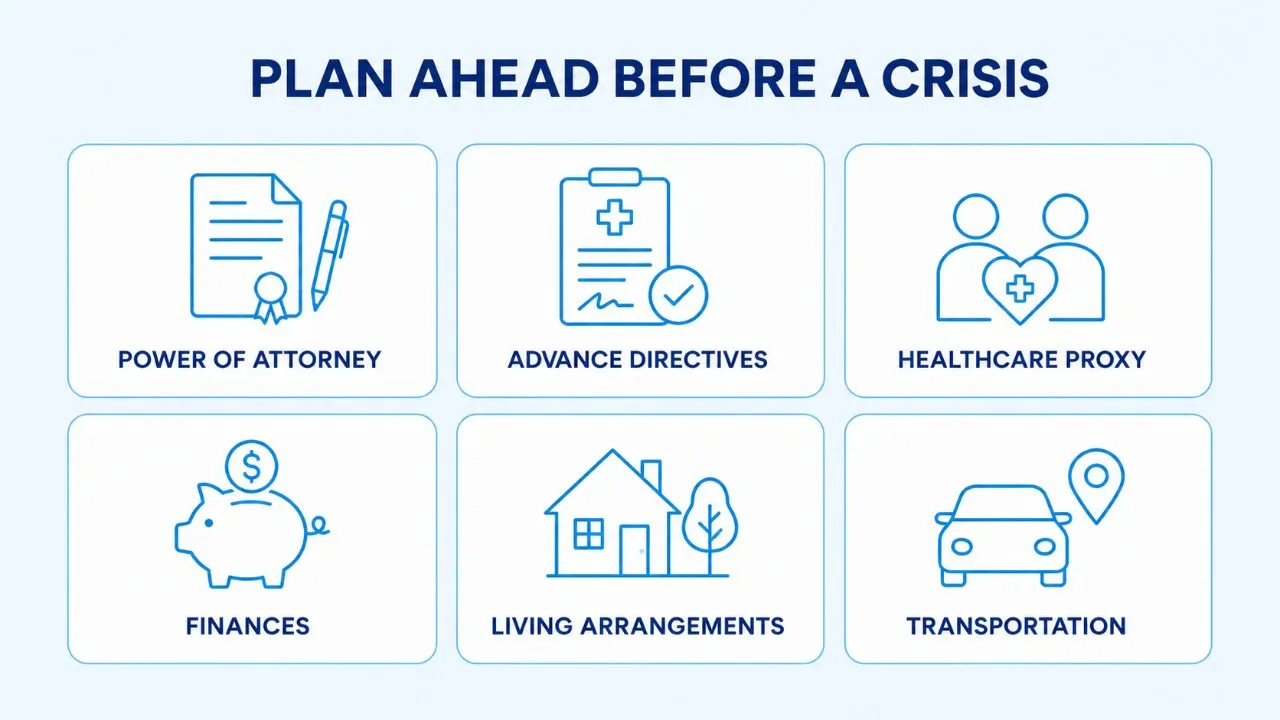
Early planning enables families to discuss medical care preferences, living arrangements, legal documents, finances, transportation, and support systems before urgent decisions arise. Key legal documents include a power of attorney, advance directives such as a living will, and a healthcare proxy. Guaranteeing these essentials are in place gives peace of mind that your parent’s wishes will be respected.
Planning also allows families to ensure their older loved ones stay safely at home longer. For older individuals, staying in familiar surroundings is comforting and emotionally safe, and allows them to be more independent than moving after a crisis.
Today’s care gives you options that go beyond complete independence or nursing homes. Families can now access flexible care options that adapt as needs evolve. The live-in helpers are elderly specialists who ensure companionship and daily assistance. Services like LiveIn Helper engage the seniors with a trusted provider. The helpers allow older people to live independently in their own homes.
The earlier families begin planning, the more options they will have and the better prepared they will be to support both their aging parents and themselves.
Understanding the Different Care Options Available
Once families recognize that an aging parent needs additional support, the next step is to identify the most suitable type of care. Each senior has unique health needs, preferences, financial circumstances, and familial relationships. The goal is to provide adequate support while protecting as much independence and dignity as possible.
Most senior citizens need little help to live independently. You can enhance comfort and safety with home modifications, transportation assistance, meal delivery, and housekeeping. As needs increase, families might think about more intensive options.
Traditional in-home caregivers provide daily or weekly help with bathing, dressing, medication reminders, meal preparation, and mobility. As a result, this helps seniors stay at home and receive care. On the contrary, hourly home care is expensive for clients who need extensive daily assistance.
| Care Option | Best For | Advantages | Potential Drawbacks |
|---|---|---|---|
| Family Caregiving | Seniors needing occasional support | Familiar care, no relocation | Can lead to caregiver burnout |
| Hourly Home Care | Assistance with daily activities | Professional caregivers, flexible schedules | Costs increase with more hours |
| Assisted Living | Seniors needing daily support and community living | Meals, activities, and staff are available | Requires leaving home |
| Nursing Home | Seniors with complex medical needs | 24/7 medical supervision | Highest level of care, least independence |
| LiveIn Helper | Seniors who want to age at home with companionship | Affordable support and companionship help seniors maintain independence | Not intended for seniors requiring intensive medical care |
Comparing Elder Care Options
Assisted Living and Nursing Homes
Living in a semi-independent housing facility may not be as easy as it sounds. They are appropriate for older adults who are mostly self-sufficient but need assistance. Assisted living is convenient and encourages socialization. However, the transition is tough for seniors who would be leaving their homes and neighborhoods.
Nursing homes provide full-time medical care for patients with severe health issues or extensive personal care requirements. A senior with an advanced illness or complex needs will require this level of care. A nursing home is not the best choice for someone who simply needs company or help with everyday life.
A lot of families try to find ways to help their loved ones age at home in comfort without the high expense and upheaval of constant care or relocating to a facility.
Flexible Care Alternatives
Flexible care alternatives can provide seniors with the care they require while allowing them to retain some control over their lives. Unlike the regimented schedule of senior nursing homes or the communal living of assisted living, part-time in-home support, companion services, or day programs offer a happy medium. This method is more flexible in catering to individual needs and preferences, thus offering more affordable support to enhance the quality of life for many older adults.
Choosing the best service does not mean choosing the most expensive one. The essence of it is a person-centered approach to understanding the individual’s requirements and finding a solution that ensures safety and improves quality of life.
The Financial Reality of Elder Care
Most families are unprepared for the financial demands of caring for an aging parent. Even with retirement savings or insurance, long-term care can strain family finances. Costs go beyond medical treatment and often include home modifications, transportation, medications, mobility aids, special meals, housekeeping, and personal care.
Professional in-home care can also be expensive, with national averages in the United States ranging from $27 to $30 per hour (Genworth, 2022). While part-time assistance may be manageable, full-time care can exceed $6,000 per month. Some families may qualify for financial assistance through Medicaid, Veterans Affairs (VA), or local nonprofit programs. In addition, many adult children reduce their work hours or leave their jobs to provide care, resulting in lost income and retirement savings.
These challenges highlight the importance of early financial planning. Families should discuss care needs, available resources, insurance, and future expenses before a crisis occurs. Financial advisors or elder law attorneys can help develop a plan that balances quality care with long-term financial stability.
The Emotional Path of Family Caregiving
While many focus on the practical aspects of caregiving, the emotional effect is equally significant.
Adult children often experience a wide range of emotions while caring for a parent. Love, gratitude, responsibility, frustration, sadness, hope, and exhaustion frequently coexist.
Watching a parent decline in health or memory can feel like losing pieces of someone strong. Sudden moments in any day can show changing roles.
A guilt-ridden caregiver is a common story. They can feel guilty about not attending often, feel overwhelmed, or consider seeking outside help. Some people worry that receiving help indicates a personal failure, even though being a caregiver is getting complex.
Caregiving becomes more complicated when the family disagrees. Sibling reunification is key to resolving conflicts and disagreements. When most care is delivered by one person and less by others, resentment and tension may develop.
Candid communication is essential during these times. Honest discussions about expectations, responsibilities, and resources can stop misunderstandings and promote effective collaboration.
Caregivers should also acknowledge their own emotional needs. Support from counseling, support groups, friends, or community organizations may reduce loneliness and provide successful coping strategies. National organizations such as the Family Caregiver Alliance and AARP offer resources, helplines, and online communities for information and support. Many local Area Agencies on Aging, hospitals, and faith-based groups also provide support groups and programs for caregivers. Connecting with these organizations allows caregivers to share experiences, receive practical advice, and find emotional support.
No one should have to handle caregiving alone.
Why Companionship Is Just as Important as Physical Care
When considering elder care, families often focus on medications, mobility, medical appointments, and personal assistance. However, one of the most major threats to healthy aging is less visible: loneliness.
Numerous elderly adults go for long periods without meaningful social interaction. When you retire, you don’t see your coworkers that much; your kids are busy with their own lives; and your friends either move away or die. With time, this isolation can affect the physical and mental health of older adults.
Research indicates that chronic loneliness is associated with depression, anxiety, memory issues, sleep disturbances, high blood pressure, and increased risk of serious health problems. Emotional isolation can also make it more difficult to remain active, maintain a healthy diet, or participate in social activities.
Companionship can meet these challenges in ways that traditional care may not. Having someone to share meals, converse, take walks, assist with hobbies, or simply provide company offers seniors a meaningful interpersonal connection. These communications foster confidence, emotional stability, and a feeling of purpose.
Companionship also provides families with peace of mind. Regular presence enables early detection of changes in mood, health, or routines before issues intensify.
As understanding of healthy aging grows, it is clear that emotional support is not simply an added benefit but an indispensable component of quality elder care.
A New Approach to Aging at Home
For many families, the optimal solution lies between complete independence and full-time facility-based care.
Older adults typically seek privacy without sacrificing the comfort of home. Simultaneously, families want assurance that support and companionship are available.
LiveIn Helper offers a modern alternative in this context.
Instead of simply hiring a caregiver or moving to a facility, LiveIn Helper matches seniors with live-in helpers. In exchange for housing, these helpers provide daily assistance and companionship. This way, seniors can keep living in their own homes while getting help with everyday tasks that may get harder over time.
Simply visit LiveIn Helper’s website and complete the application, describing your loved one’s needs and routines. LiveIn Helper screens and interviews all potential helpers, including background and reference checks, to ensure they are trustworthy and suitable for the family. A first meeting gives everyone a chance to meet once a match is identified. Throughout the arrangement, families always receive assistance from LiveIn Helper to clarify any queries or concerns. This process helps ease the transition for families and gives them clarity.
| Everyday Need | Traditional Home Care | LiveIn Helper |
|---|---|---|
| Meal Preparation | Yes | Yes |
| Light Housekeeping | Yes | Yes |
| Transportation Assistance | Yes | Yes |
| Medication Reminders | Yes | Yes |
| Companionship | Sometimes | Yes, strong focus |
| Overnight Presence | Usually additional cost | Included as part of the living arrangement |
| Help with Technology | Sometimes | Yes |
| Household Support | Yes | Yes |
| Living at Home | Yes | Yes |
What Everyday Support Looks Like
How the Arrangement Works in Practice
A fellowship arrangement helps everyone when you need assistance with chores, cooking, transport, technology, errands, or companionship. Senior citizens get support and confidence (never alone), while helpers receive affordable housing.
For many families, this creates a sound solution that promotes independence, reduces loneliness, and offers greater peace of mind than traditional care alone.
The growing demand for customized elder care is driving the development of community-based models like LiveIn Helper. This model brings in professional help at home while also involving family. Unlike care delivered in facilities, which may separate older people from their social networks, these alternatives allow them to remain in contact with their families while maintaining control over their lives and integrating into their communities. Models of care provide families and older people with flexible options by making the helper a complement rather than a substitute for the family. They help establish a dynamic that benefits the older person in various ways. This allows families to be involved while seniors receive continuous, all-inclusive support delivered comfortably in their own homes.
Creating a Safe Home Environment
As people get older, small hazards at home can turn into serious safety risks. In fact, according to the Centers for Disease Control and Prevention, one out of four older adults falls each year, and falls in the home are a leading cause of injury among seniors. The good news is that many accidents can be prevented with simple changes that make daily life easier, without having to change the home completely.
Falls are among the main causes of injury for older adults, so home safety is of paramount importance. Accidents can sometimes be avoided by improving lighting, removing loose rugs, organizing cords, installing grab bars in bathrooms, and keeping things within reach.
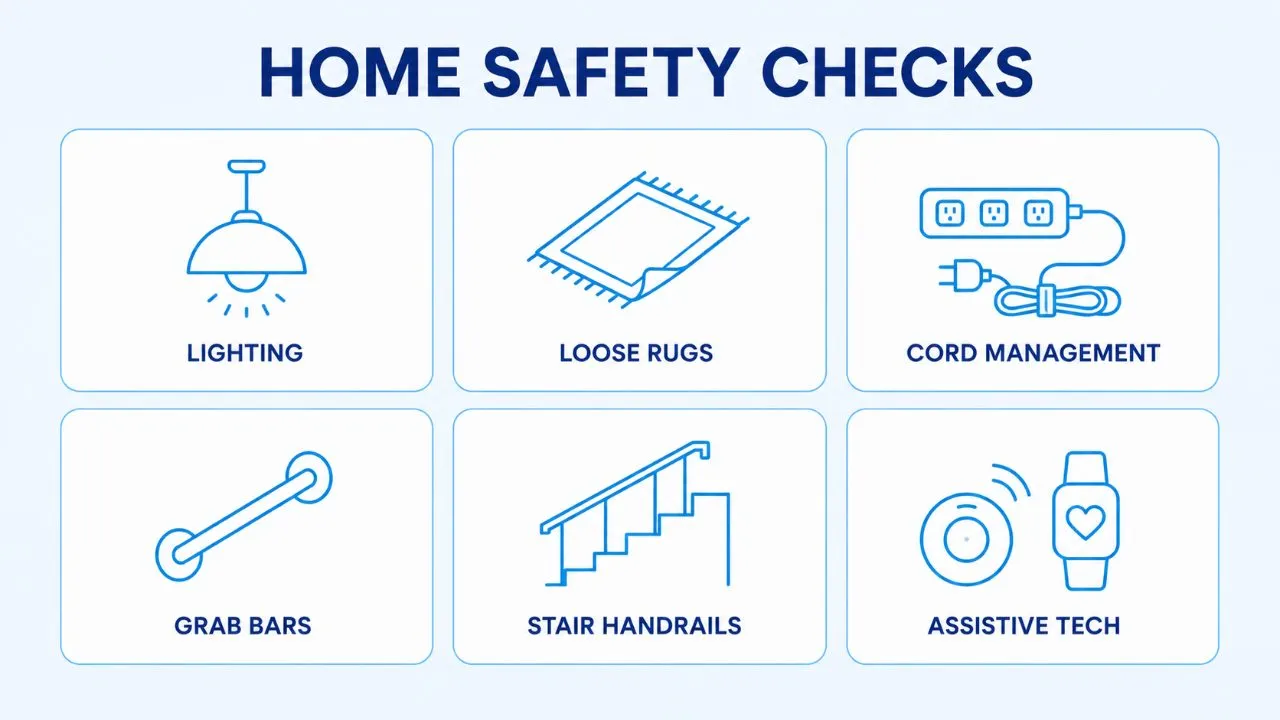
Think about how easy it is to move around the home. Make sure stairways have sturdy handrails, walkways are clear, and furniture is arranged for easy movement. If moving around gets harder, you might need to add ramps or stair lifts.
Seniors can also be independent with technology. Assistive technology like medication reminders, video doorbells, and medical alert systems can help keep older adults safe at home while allowing them to maintain independence.
To make your home safe, you have to do more than simply change its physical features. When children are provided with a caring environment, they receive a healthy dose of social interaction, emotional support, nutritious meal options, opportunities for physical activity, and a routine that helps prevent dependence.
When seniors feel safe both physically and emotionally, they can often stay independent much longer.
How LiveIn Helper Supports Seniors and Their Families
As families try to balance independence, affordability, and meaningful support, many realize that traditional care options do not always fit their needs. Some seniors need companionship more than medical care, while others need help with daily routines but are not ready for assisted living or nursing homes.
This is where LiveIn Helper offers a different solution.
LiveIn Helper is based on a simple but powerful idea: helping older adults stay safe in their own homes by matching them with live-in helpers. The process starts with families sharing their loved one’s needs, routines, and preferences. LiveIn Helper carefully checks potential helpers through background checks, interviews, and reference reviews, looking for people who meet safety standards and fit the senior’s personality. Once suitable candidates are found, families meet the helpers and can ask questions. This way, everyone feels comfortable and supported before moving forward. Instead of moving to a new place, seniors can continue to enjoy the comfort, memories, and routines of the home they know best.
What a Live-In Helper Does Day to Day
This relationship is more than just care. Live-in helpers can assist with cooking, lighter housekeeping, transportation, running errands, tech support, and companionship. For instance, a live-in helper may prepare healthy meals that accommodate dietary restrictions, remind an older adult to take their medications, or accompany them to doctors’ appointments to help them communicate effectively with the doctor. Their regular presence also provides reassurance to the family whose members cannot always be by their loved one’s side, knowing that their loved one is being looked after and attended to every day to meet their daily needs.
One of the biggest benefits of this model is its focus on human connection. Many older adults don’t want constant medical supervision. They just want someone nearby to talk to, help when needed, and provide an extra sense of security.
This arrangement offers affordable housing and an opportunity for helpers to make a change. For older adults, it minimizes loneliness and provides support without compromising independence. Families find peace of mind knowing their loved one is not alone each day.
Costs and Payment Options
Many families worry about the cost of live-in help and the available pay options. LiveIn Helper aims to provide a flexible and affordable alternative to home care or assisted living. Typical costs may vary according to the support you need and where you live. Some families pay weekly or monthly, and flexible payment plans may be available. Sometimes long-term care insurance or financial assistance programs can help pay for this cost. If you would like to learn more about costs and payment options, please contact the LiveIn Helper team for a personalized quote and information about available funds.
LiveIn Helper isn’t a substitute for family. Instead, the relationship can benefit from taking time to learn from life’s distractions. If your parent is reluctant to seek assistance from outsiders, draw upon your parent’s own wishes and concerns in the conversation. Ensure that you explain that bringing in a helper is intended to enable them to be more independent, rather than take away their independence. Also, say that they can help choose the person. When beginning work with the student-aid scheme, it’s best to start slowly with small jobs. Give the student some time to adjust and reassure them that you will be involved throughout.
Caring for the Caregiver
When talking about elder care, it’s easy to focus only on the needs of aging parents and forget about the health of caregivers. But caregiver well-being directly affects the quality of care seniors receive.
Slowly develops into caregiver burnout. Sometimes stress can cause ongoing fatigue if caregivers neglect their physical and emotional needs. You may require more assistance if you’re observing poor quality of sleep, anxiety, depression, irritability, and health declines. In such times, identify that the help is there. Numerous communities hold caregiver support groups that can make you feel less alone by sharing experiences with others like you. Counseling or therapy may also help some caregivers cope with stress and strong emotions. You can use national helplines and online forums for guidance and a listening ear whenever you need it.
Self-care isn’t selfish. It’s an important part of being able to care for others over the long term.
Keeping up with medical appointments, eating healthy meals, exercising, and taking breaks all support long-term health. Caregivers should also make time for hobbies, friends, and activities that help reduce stress and restore energy.
Accepting help from others is just as important. Whether support comes from family, neighbors, community groups, or services like LiveIn Helper, sharing responsibilities helps caregivers stay healthy as they care for their loved ones.
Many caregivers find that when they start asking for help, they become more patient, more attentive, and better able to handle the challenges of aging.
Remember, taking care of yourself is one of the best things you can do for your parent.
Preparing for Changing Needs Over Time
Aging brings constant change. The support an older adult needs today may be very different in a few years.
That’s why families should regularly review care plans rather than assuming a single solution will work at every stage.
Regular talks with healthcare providers help families understand changes in medical conditions, mobility, nutrition, and cognitive health. Reviewing home safety, finances, legal documents, and caregiving duties from time to time also helps everyone stay prepared as things change. It can help to schedule a formal review of care plans every 6 to 12 months, or sooner if there’s a major change in health, living situation, or family circumstances. Setting a regular schedule makes it easier to keep the plan up to date and address new needs before they become urgent.
Flexibility is one of a family’s greatest strengths. Instead of seeing care as a one-time decision, think of it as an ongoing partnership that adapts to new challenges.
With planning, open communication, and support from resources like LiveIn Helper, families can navigate each stage of aging with greater confidence and less uncertainty.
Providing great care isn’t about having all the answers right away. It’s about staying committed to learning, adapting, and working together to give the best possible quality of life to those who once cared for us.
Conclusion
Caring for an aging parent is both a privilege and a challenge. Every family’s journey is different, and the level of support needed will change over time. The key is recognizing that you do not have to manage everything alone. With thoughtful planning, open communication, and the right support, seniors can continue living safely, comfortably, and with dignity.
Caregiving is about more than meeting physical needs, it also means preserving independence, emotional well-being, and meaningful relationships. Services like LiveIn Helper provide companionship and everyday assistance that complement family caregiving, making it easier for older adults to remain at home while reducing stress for their loved ones. Together, families and caregivers can create a sustainable care plan that benefits everyone.


