

This article explores the causes and warning signs of caregiver burnout, along with practical strategies to help families provide quality care while protecting their own well-being.
Caring for Others Shouldn’t Mean Losing Yourself
Caring for an aging parent, spouse, or loved one often begins with simple tasks but can gradually grow into managing medications, mobility, medical appointments, finances, and emotional support. While caregiving is deeply rewarding, many family caregivers put their loved one’s needs ahead of their own, often sacrificing sleep, personal time, and even their own health. Over time, these demands can lead to caregiver burnout.
Caregiver burnout is more than everyday tiredness. It is a state of physical, emotional, and mental exhaustion caused by the ongoing demands of caregiving without enough support or rest. As more seniors choose to age in place, family members are taking on greater caregiving responsibilities, making burnout an increasingly common challenge. Fortunately, early planning, regular breaks, and seeking support can help families maintain a healthier balance.
Services like LiveIn Helper make caregiving more sustainable by providing compassionate live-in helpers who assist with everyday, non-medical tasks, allowing seniors to remain safely at home while easing the burden on family caregivers.
Understanding Family Caregiver Burnout
Family caregiver burnout develops gradually. Most caregivers do not suddenly feel exhausted; instead, stress accumulates over time, slowly depleting their energy and spirit.
A caregiver may begin by assisting with weekly grocery shopping. Over time, responsibilities can expand to managing medications, attending medical appointments, preparing meals, cleaning, assisting with bathing, handling emergencies, and coordinating with medical professionals. These duties often occur alongside employment, child-rearing, maintaining friendships, and managing their own households.
With so many responsibilities, caregivers often have little time to rest.
Caregiving differs from most jobs because it does not have set hours. Emergencies may occur at night, medical appointments can interrupt the workday, and seniors may require assistance on weekends and holidays. Caregivers are often on call, making it difficult to relax fully.
The Emotional Side of Care
The emotional side of care complicates burnout. Family caregivers do more than tasks; they are caring for someone dear to them. Seeing a parent lose their independence or a spouse’s health decline can be incredibly stressful. It is not just physical fatigue.
Caregivers have conflicting feelings. They are grateful for the chance to help but may also feel overburdened. Although their wish to rise to the occasion may be strong and sincere, the specialist’s demands can sometimes lead to frustration. It is common for caregivers to feel this way. If you feel guilty, frustrated, or even resentful, it does not mean you have failed or do not care. Recognizing and accepting these feelings is an important part of good caregiving; it should not be shameful. Recognizing that others experience these feelings too can lessen the sense of isolation and promote help-seeking.
Burnout occurs when these pressures endure, depleting mental energy. Without opportunities to recharge, stress becomes chronic exhaustion that impacts all areas of life.
Why Family Caregivers Face Increasing Pressure Today
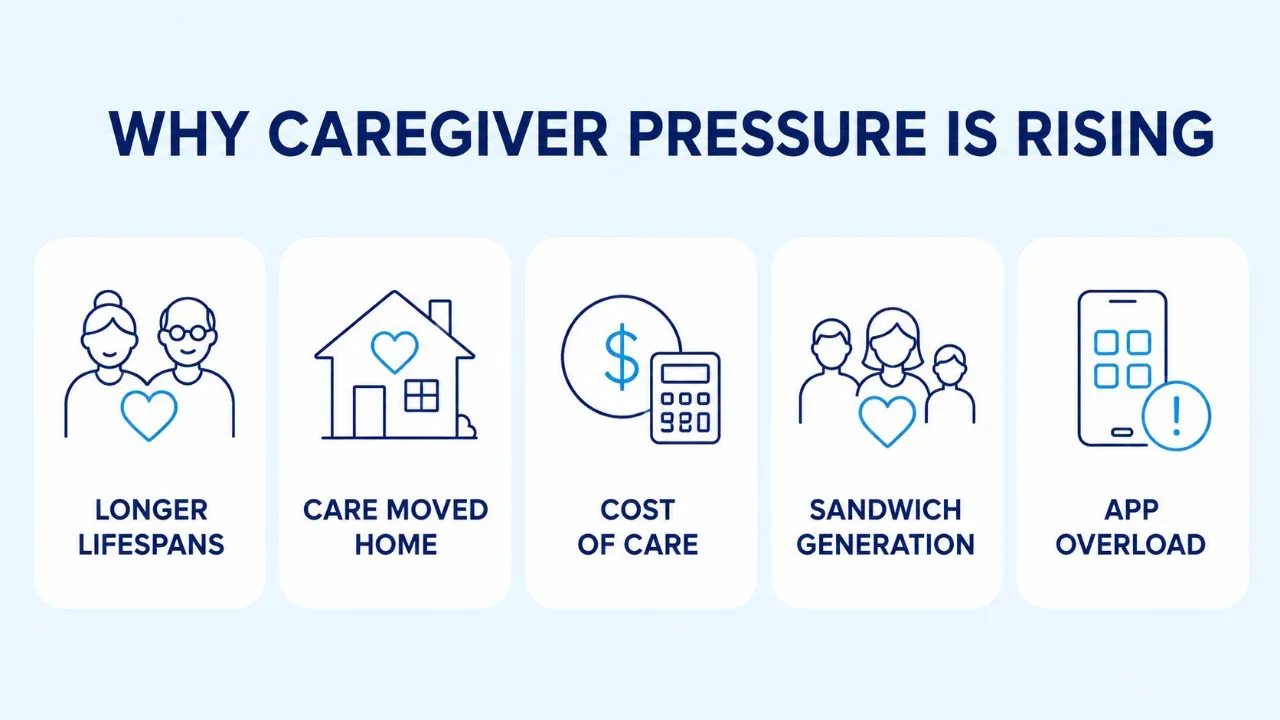
Several major community changes have contributed to the increased prevalence of caregiver burnout.
People are living longer than ever, resulting in more families caring for loved ones with long-term illnesses, mobility difficulties, or memory conditions such as Alzheimer’s and dementia. While increased longevity is positive, it often means caregiving extends over years rather than months.
There has also been a significant change in health care. Due to advancements in medical technology and a shift in healthcare policy, the focus has shifted to outpatient care. This has resulted in multiple treatments that warranted long hospital stays earlier, now taking place at home (Mitzner et al., 2011). As a result, families are taking on roles previously held by trained medical professionals.
Financial issues add to the complexity of being a caregiver. Home care, assisted living, and nursing homes are expensive, so many families do it themselves. Although it reduces costs, it also adds stress and work to family members.
The “sandwich generation” phenomenon is also incredibly important. Many adults care for aging parents while also raising children and working full-time. Time to look after themself is limited.
With the changes in technology, communication and care management have improved. But it has brought in new pressures. Today, caregivers use various apps each day for scheduling, messaging, insurance, and many other interactions. Sometimes technology increases our workload rather than reducing it.
As responsibilities accumulate, caregivers need more effective ways to share the workload instead of managing everything alone.
The Most Common Causes of Family Caregiver Burnout
Burnout rarely results from a single event. It is typically caused by ongoing stresses that accumulate over time.
Dealing with too many daily tasks causes burnout. Many caregivers’ jobs go unappreciated because people take for granted who is doing the job. The need to prepare food, organize medications, schedule appointments, and monitor any changes requires constant attention.
Not knowing what could happen next creates a lot of tension. Health can turn on you very quickly, and an incident, a fall, emergency or sudden trip to hospital, can disrupt your routine and leave you with ongoing anxiety. Because of this uncertainty, caregivers cannot easily relax.
Another serious issue is isolation. Many caregivers gradually withdraw from social activities or friendships due to guilt or a lack of time. This loss of friends, vacation, hobbies, and more can leave one feeling lonely and mentally drained.
Caregivers often have unrealistic expectations of themselves. Many think they should do it on their own without asking family and friends for help, as they do not want to be a burden or seem incapable. This mindset often results in taking on more than one person can reasonably handle.
| Cause | How It Contributes to Burnout |
|---|---|
| Long-term caregiving responsibilities | Continuous caregiving without adequate breaks leads to physical and emotional exhaustion. |
| Lack of sleep | Nighttime caregiving and constant worry reduce the quality and quantity of sleep. |
| Emotional stress | Watching a loved one experience illness or decline can be emotionally overwhelming. |
| Financial pressure | Medical expenses, reduced work hours, and caregiving costs create additional stress. |
| Social isolation | Caregivers often have little time for friends, hobbies, or social activities. |
| Balancing multiple responsibilities | Managing work, children, household duties, and caregiving simultaneously increases stress. |
| Feeling solely responsible | Believing that no one else can help often results in chronic exhaustion. |
| Lack of support | Without assistance from family or community resources, caregivers are more likely to experience burnout. |
Common Causes of Family Caregiver Burnout
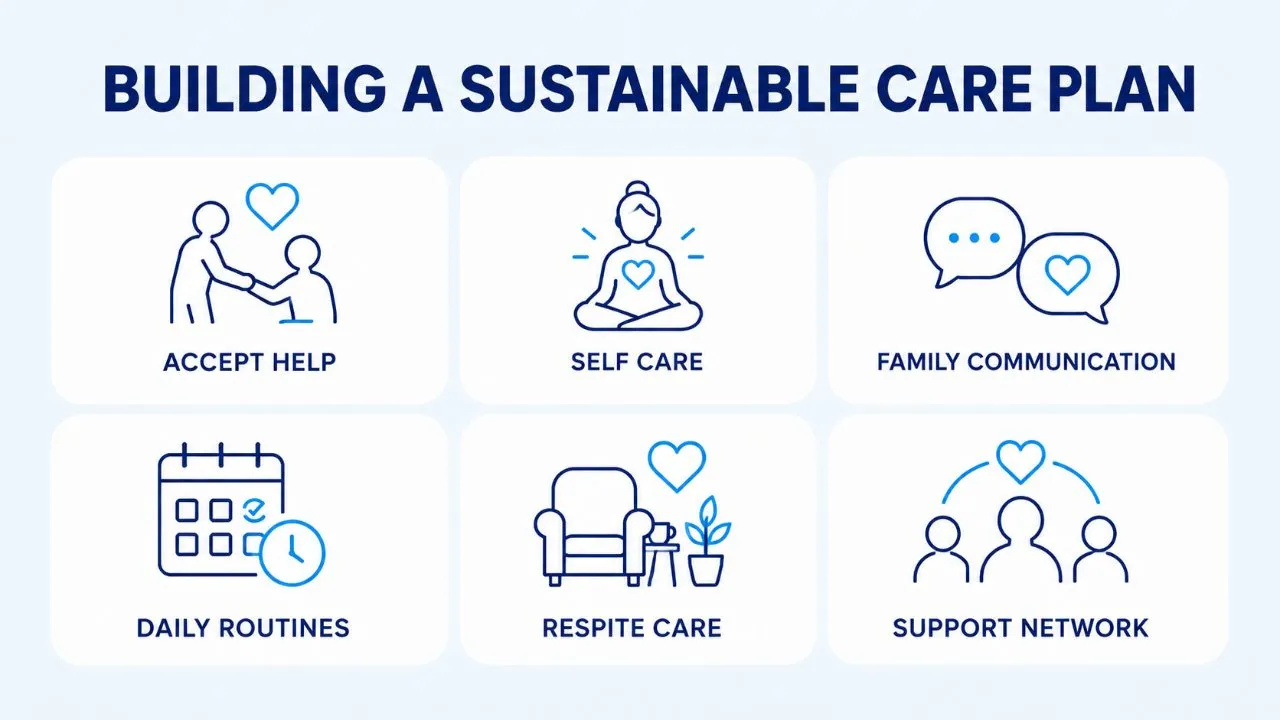
When in doubt, ask for something specific. “Could you come over on Saturday and sit with Mom for an hour while I run errands?” or “Could you pick up groceries this week?” are more likely to get a “yes” than a general request for help. It’s easy to ignore vague requests but hard to ignore a specific, reasonable ask. Some families may find it useful to hold a short meeting or group call to find out what support they need and who will do what. Keep in mind that simply asking for help does not make you weak, and it can actually help make the care you provide more sustainable for both you and your loved one.
Financial Pressure and Lost Sleep
Money issues also raise anxiety. Some caregivers quit work or cut back their hours to care for a family member. Others pay out of pocket for expenses (such as medication, a ride, home modifications, and/or supplies). It can be very challenging to manage finances and caregiving.
Not getting enough sleep is another common cause of burnout. Elders who struggle at night, or experience vagueness in the evening, or have mobility issues can prevent caregivers from sleeping easily. Chronic fatigue damages your mood, reduces your ability to concentrate, impairs your decision-making, and affects your health, making it even more difficult to cope with daily challenges.
Emotional Attachment and Going Without a Break
A leading cause of burnout is emotional attachment. Taking care of a loved one makes one emotionally invested. When caregivers watch someone’s health fade, cope with difficult diagnoses, or face uncertainties, it can be emotionally taxing. Because they cannot separate their feelings from their professional roles, family members place an additional burden on them.
Not having a break is a big problem. A break is important for everyone to recharge, but caregivers can never get one. Without time apart, stress builds up, and burnout is likely.
As a result, numerous families are reassessing their caregiving approach. Instead of relying too heavily on a single individual, they are seeking ways to share the load. LiveIn Helper provides trustworthy companionship and everyday assistance to support family caregivers, but not to replace them. When responsibilities are shared, carers can maintain their health and seniors continue to receive loving care at home.
Noticing the Symptoms Before Burnout Takes Over
One of the hardest things about caregiver burnout is that it sneaks up slowly, so many people don’t notice it happening to them. The exhaustion doesn’t hit all at once. It builds up over many days of putting someone else first. Many caregivers tell themselves it’s just part of the job and think they just need to try harder or be more patient.
Unfortunately, ignoring early signs merely worsens burnout. What begins as minor stress can ultimately harm your health, mood, relationships, work, and the standard of care provided.
Noticing the symptoms is the first step to preventing burnout from resulting in more serious issues.
Emotional Symptoms That Should Never Be Ignored
Emotional exhaustion is often the earliest sign of caregiver burnout. Unlike ordinary tiredness, it does not disappear with rest. Many caregivers also experience constant anxiety as they worry about medications, appointments, safety, finances, and their loved one’s well-being, leaving little opportunity to relax.
As stress builds, caregivers may become more irritable, impatient, or emotionally sensitive. They often struggle with guilt, feeling torn between caring for their loved one and meeting the needs of their own family, work, and personal life. Practicing self-compassion, taking regular breaks, and seeking support from friends, counselors, or caregiver groups can help ease these feelings.
Over time, some caregivers develop a sense of hopelessness or deep sadness as they watch a loved one’s health decline. Recognizing these emotional warning signs early and asking for help can prevent burnout from worsening and improve the well-being of both the caregiver and the person receiving care.
Physical Symptoms That Reflect Chronic Stress
Physical symptoms are often the first signs of caregiver burnout. Many caregivers experience constant fatigue, poor sleep, headaches, muscle pain, digestive issues, or high blood pressure as ongoing stress takes a toll on their bodies. Changes in appetite and a weakened immune system are also common.
Caregivers frequently neglect their own health by skipping exercise, postponing medical appointments, and putting their loved one’s needs first. Recognizing these physical warning signs early is essential to preventing more serious health problems and maintaining the ability to provide quality care.
Mental and Cognitive Changes
Burnout impacts not only emotional and physical health but also mental functions such as memory, decision-making, and concentration.
Many caregivers have a harder time focusing. They might forget appointments, misplace important papers, or struggle to finish tasks that used to be simple.
As mental fatigue builds up, making decisions gets tougher. Even small choices can feel overwhelming when you are already worn out.
Some people describe feeling mentally “foggy.” They may have trouble paying attention in conversations, finishing work, or remembering details that once came easily.
Mental fatigue can lead to errors such as giving the wrong medicine, missing appointments, and overlooking changes in a loved one’s health. For example, one caregiver explained how giving her dad a dose in the morning rather than the evening that week caused a mix-up after a few nights of disturbed sleep. Mistakes like these can increase the guilt and worry of affected individuals, making ‘burnout’ even worse.
When Burnout Begins Affecting the Person Receiving Care
One of the most serious effects of caregiver burnout is its impact on the person receiving care.
Tired caregivers have less patience, energy, and emotional strength. Even when they try their best, burnout makes it harder to give steady, caring support.
Caregivers may become short-tempered or frustrated when talking. Keeping up with daily routines gets harder. Even small tasks can feel overwhelming, and important details might be missed.
This does not mean caregivers stop loving the person they care for. It just shows that exhausted people cannot keep giving the same level of care without help.
Caregivers who take care of their own health are better able to care for others.
When caregivers get support, time to rest, and practical help, both they and their loved ones benefit. Seniors often feel safer when their caregiver is healthy and emotionally present, not always stressed.
| Healthy Caregiving | Caregiver Burnout |
|---|---|
| Feels tired occasionally but recovers with rest | Feels exhausted most of the time |
| Maintains personal hobbies and relationships | Withdraws from social activities |
| Balances caregiving with self-care | Neglects personal health and well-being |
| Asks for help when needed | Tries to manage everything alone |
| Feels emotionally connected to a loved one | Feels emotionally drained or detached |
| Maintains patience most of the time | Becomes easily frustrated or irritable |
| Sleeps reasonably well | Experiences chronic sleep problems |
| Feels hopeful about caregiving | Feels overwhelmed or hopeless |
Signs of Healthy Caregiving vs. Caregiver Burnout
Why So Many Caregivers Delay Asking for Help
Even when they recognize the signs of burnout, many caregivers continue trying to manage everything alone. A strong sense of responsibility often makes them feel they should handle all caregiving duties themselves, while others worry that asking for help means letting down their loved one. Some are also hesitant to give up control, fearing that someone else may not provide the same level of care or attention.
Financial concerns and uncertainty also prevent many families from seeking support. Some assume professional care is unaffordable or simply do not know what resources are available. In reality, community organizations, caregiver support groups, and local aging services can help families find affordable care options and connect them with valuable support.
Burnout often develops gradually, making it difficult for caregivers to recognize how much their own well-being has declined. Waiting until a crisis occurs can make caregiving even more challenging. Services like LiveIn Helper help families share caregiving responsibilities, giving seniors compassionate support at home while reducing stress and creating a healthier balance for everyone involved.
Accept That You Cannot Do Everything Alone
A common cause of burnout is the belief that seeking help signifies weakness. Many family caregivers feel compelled to manage all responsibilities out of love, but this can lead to exhaustion.
No individual can indefinitely manage medical appointments, transportation, household tasks, meals, medication timetables, finances, emotional support, and personal needs without becoming overwhelmed.
Accepting help does not mean relinquishing responsibility; it reflects an understanding that shared caregiving is more effective.
Family, neighbors, friends, faith groups, and local organizations can contribute in various ways. Some may shop for groceries, provide transportation, or spend time with an older adult. Even minor acts of assistance can have a significant impact.
It’s often difficult to just ask for direct help. It’s more effective to make specific requests instead of general offers. For instance, ask someone to prepare dinner for you during the week. Or, ask them if they will accompany your loved one to their appointments. For example: “Can you get the groceries for us on Fridays?” or “Are you able to stay with Mom for two hours on Saturday to let me run some errands?” or “Can you take over Dad’s meds coming due for the next week?” Being clear and concrete when asking reduces stress for you and increases the chance of receiving the support you really need.
Incorporate Self-Care into the Care Plan
Self-care is often viewed as optional or selfish, but for caregivers, it is essential. Sustaining personal health is an essential part of effective caregiving.
Simple habits can have a significant long-term impact. Proper sleep, balanced nutrition, regular physical exercise, and routine medical appointments help caregivers sustain energy and stamina.
Mental health is equally important. Many caregivers suppress their emotions, believing they must remain strong for others. However, acknowledging feelings of frustration, sadness, anxiety, or grief is both healthy and normal.
It can be helpful to talk to trusted friends, support groups, or counselors. You will find support groups available for in-person and online meetings, as well as condition-specific support. Caregivers may now discover the support that best fits their needs and schedules. According to one caregiver, “I had no idea how much I needed to talk to others in a group until it happened. After hearing ‘me too’, I felt comforted. Such messages reinforce the idea that we are not alone and that our experiences are shared.
You should not have to stop your hobbies to be a caregiver. Activities like reading, gardening, walking, exercising, going to spiritual services, or simply taking a moment of peace can help. Quick breaks can help regain emotional balance.
Consistency is important. You don’t have to take much time away for self-care. Sometimes a few deep breaths, a short walk, or a little music can recharge your batteries. Taking frequent short breaks during the week is better than going on vacation.
Improve Communication Within the Family
Caregiving responsibilities often become unbalanced when families avoid difficult conversations.
One sibling may assume most of the responsibilities while the others remain unaware of the workload. Over time, this can result in resentment, misunderstandings, and emotional distance.
Honesty encourages a fairer spread of responsibilities.
It is more efficient for families to talk about care needs rather than assume them. Conversations should be solution-oriented, not blame-oriented. Not everyone can contribute at the same level, but most people can help in some capacity.
For instance, one person may take charge of finances, another may coordinate medical appointments, and a third person may order groceries or arrange rides online. It is generally more effective to assign people to duties that suit their strengths than to expect them to carry out the same duties.
Regular family meetings help keep everyone informed regarding evolving care needs. As an older adult’s health changes, caregiving plans should be adjusted accordingly.
Create Daily Routines That Reduce Stress
Caregiving is easier with predictable routines every day.
When you set times of the day for meals, medications, exercise, appointments, and chores, you eliminate uncertainty for both the caregiver and the older adult. An example would be to set breakfast for 8:00 a.m. Having a fixed time of day for sleep gives security to both the dog and the owner. Such routines reduce mismatches and help helpers use their time more efficiently.
Navigating daily life is easier with written schedules, family calendars, medication organizers, and reminders. There are some easy-to-use tools like Google Calendar, Medisafe, MyTherapy, Todoist, and Cozi for managing routines, medication reminders, and family schedules.
If caregivers can make meals early, prepare the weekly medicine box, and set a monthly appointment day, it can ease last-minute stress and help them feel more in control.
Technology facilitates sustaining an organization. With calendar apps, medication reminders, grocery delivery, and virtual health appointments, you can save time and unnecessary trips.
Routines may not solve every problem, but they give structure when caregiving feels unpredictable.
Understand the Value of Respite Care
Many caregivers feel they must always be available, but continuous care without breaks is a primary cause of burnout.
Respite care provides caregivers with a break by allowing someone else to assume responsibilities temporarily. The duration can range from a few hours to several days, based on family needs.
These breaks allow caregivers to recharge physically and emotionally and to address their own needs.
Respite care also benefits older adults by providing opportunities to socialize, engage in new activities, and avoid dependence on a single caregiver.
Regular breaks enable caregivers to provide higher quality care, as they return more patient, focused, and refreshed.
Build a Wider Support Network
Strong support systems reduce the risk of caregiver burnout.
Support networks go beyond family. Friends, neighbors, faith groups, volunteers, healthcare providers, and community programs all help reduce caregiver stress.
Families may not realize that there are many workshops, caregiver centers, transportation, meal delivery, and adult day programs in their service area. Get in touch with the local senior center, ask your doctor, or search the internet for community services for assistance. Some communities offer directories of caregivers or resource booklets at the library or doctor’s office.
Knowing where to find help before a crisis occurs gives peace of mind.
Healthcare professionals are essential members of the caregiving team. Doctors, nurses, therapists, and social workers give guidance that eases caregiving and supports better outcomes for older adults.
Caregivers should feel comfortable asking healthcare providers questions or requesting advice about additional support.
Rethinking Caregiving Using Shared Responsibility
Modern caregiving is built on shared responsibility rather than on expecting one family member to handle everything alone. Families are increasingly turning to flexible solutions like LiveIn Helper, which matches older adults with carefully screened live-in helpers who provide companionship and assistance with everyday non-medical tasks, such as meal preparation, light housekeeping, errands, and daily routines. This affordable approach allows seniors to remain independent while easing the workload for family caregivers.
Sharing caregiving responsibilities benefits everyone. Seniors can continue living safely and comfortably at home, while family caregivers gain peace of mind and more time to focus on their own health, work, and relationships. By working together with trusted support, families can create a sustainable caregiving plan that reduces burnout and improves quality of life for everyone involved.
Planning for Long-Term Caregiving Success
Caregiving often begins with a few small responsibilities but gradually becomes a long-term commitment. Creating a care plan early helps families prepare for changing needs while protecting the caregiver’s own health and well-being. Open conversations about healthcare, finances, living arrangements, and caregiving responsibilities also ensure that older adults remain involved in decisions that affect their lives.
Long-term planning reduces stress during unexpected situations by giving families a clear path forward. By treating caregiving as a shared, ongoing responsibility rather than a short-term challenge, families can provide consistent support while maintaining flexibility, communication, and balance.
| Care Option | Best For | Advantages | Considerations |
|---|---|---|---|
| Family-Only Caregiving | Seniors needing occasional assistance | Familiar care from loved ones, no additional caregiver required | Can increase caregiver stress and risk of burnout over time |
| Hourly Home Care | Seniors needing scheduled assistance | Professional support during specific hours | Care is limited to scheduled visits and may become expensive with increased hours |
| Assisted Living Community | Seniors needing daily support and supervision | Access to staff, activities, and supportive services | Requires relocating from home and adjusting to a new environment |
| LiveIn Helper | Seniors who want to age in place with everyday support | Provides companionship, assistance with non-medical daily tasks, and helps reduce family caregiver stress while allowing seniors to remain at home | Requires finding a compatible live-in helper and appropriate living arrangements |
Caregiving Support Options at a Glance
How LiveIn Helper Makes Family Caregiving More Durable
As more seniors choose to remain at home, families seek ways to support their independence and reduce stress for primary caregivers.
LiveIn Helper can be a useful solution in these situations.
LiveIn Helper connects older adults who have extra space with live-in helpers who provide companionship and assistance with daily, non-medical tasks. Rather than replacing family caregivers, LiveIn Helper offers additional support for older adults.
Daily tasks such as meal preparation, errands, companionship, and household chores can be time-consuming. Sharing these responsibilities allows family caregivers to take breaks, confident that their loved one is not alone.
The benefits go beyond simply reducing the workload.
Older adults enjoy increased companionship, greater independence, and the comfort of remaining at home. Family members undergo less stress, fewer disruptions to work and personal life, and reassurance that reliable support is available.
Instead of one person managing all responsibilities and becoming exhausted, caregiving becomes a joint effort that keeps the home safe and caring.
Final Thoughts
Family caregiver burnout is a frequent yet often overlooked issue. While caring for a loved one is compassionate, kindness alone cannot address the physical, emotional, and psychological demands that build over time.
Burnout develops gradually over months or years of continuous responsibility, and caregivers may not realize how much they have sacrificed. When unaddressed, burnout can impact health, emotions, family relationships, and the quality of care.
The good news is that burnout does not have to happen.
Recognizing warning signs early, seeking help without guilt, practicing self-care, and building a strong support network can transform the caregiving experience, as research indicates that proactive coping strategies and social support reduce caregiver stress and improve outcomes (Family and Community Services, n.d.). Families who share responsibilities are more likely to provide consistent, compassionate support and better protect the well-being of all involved.
New options, such as LiveIn Helper, demonstrate that aging at home need not overburden family caregivers. With reliable companionship and daily assistance, LiveIn Helper enables seniors to remain independent and gives caregivers time to rest and support their loved ones more effectively.
At its core, caregiving is about preserving dignity, fostering strong relationships, and enhancing quality of life. When caregivers receive adequate support, they can offer their loved ones the patience, compassion, and care they deserve.


