

Caring for Aging Parents: A Journey of Love, Responsibility, and Preparation
Watching your parents grow older can be emotionally challenging. The people who once cared for you may now depend on your support, bringing new responsibilities and difficult decisions about their health, safety, finances, and daily care. Many families are unsure where to begin, but taking time to identify concerns and plan can make the caregiving journey more manageable.
As people live longer, more seniors wish to remain in the comfort of their own homes, where they can maintain their independence, dignity, and familiar routines. However, balancing caregiving with work, children, and personal responsibilities can become overwhelming without the right support.
Understanding the Changing Needs of Aging Parents
Aging is a gradual process involving physical, emotional, mental, and social changes. Everyone ages differently, but most families will eventually need to provide more support. Identifying these changes early allows caregivers to act before a crisis occurs.
Physical and Health Changes
The physical changes are the most obvious. A previously active parent may begin to move more slowly, take more time going up stairs, or take longer with daily activities. Arthritis, muscle weakness, pain, and balance problems can make it harder to do essential tasks like cooking, shopping, cleaning, or dressing. Even small changes can suggest that one should get help before things get worse.
With age, health problems often arise. Seniors often cope with chronic illness, which might be a diagnosis of diabetes, heart disease, arthritis, high blood pressure, or some pulmonary problems, or even a vision problem. Those who live alone may find it complicated to manage medications, visits, and treatment. For instance, imagine an older adult taking five or more medications a day at varying doses, keeping track of medical appointments with multiple specialists, and following a special dietary or exercise program. Family caregivers often do tasks that can be very time-consuming.
Cognitive, Social, and Emotional Changes
Cognitive alteration is also important. While people tend to forget small things as they grow older, if it goes beyond this, you must watch out. A parent may turn up late for an appointment, lose an important letter, be unable to pay the bills, or ask you the same question three times in five minutes. Both the parent and the caregiver may become frustrated with one another, especially if the parent is unwilling to acknowledge the need.
As people age, they must cope with social changes and emotional upheavals. Having fewer friends makes older people more likely to be lonely and suffer from anxiety or depression. Loss and other feelings are common for seniors in the later stages of life. Consequently, emotional upheavals may go undetected until they affect one’s health, sleep, appetite, or overall well-being.
As a person ages, social connection becomes increasingly important. Healthy conversations, eating together, hobbies, and company benefit seniors’ health. Quality care from Caregivers at LiveIn Helper is more than just physical acts. Staying with senior citizens, talking to them, supporting their interests, and offering regular companionship can enhance emotional well-being and reduce loneliness.
Recognizing When Your Parent Needs Additional Support
Recognizing when casual help turns into a consistent support system can be difficult. Independence is highly valued by many older adults, who may refuse help as tasks become difficult. Adult children might experience guilt or uncertainty about intervening too soon or too late.
Questions to Ask Yourself
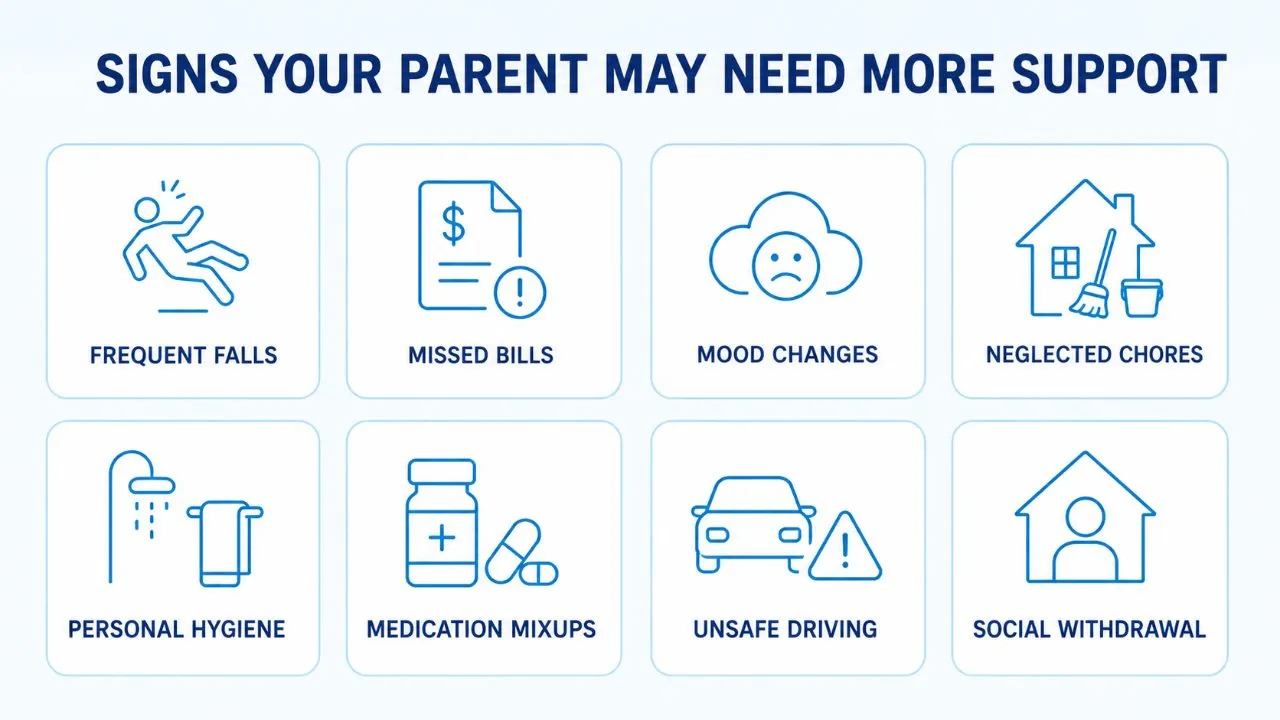
First, assess your suspicion level. If you’re unsure, consider the following: Is your parent involved in frequent accidents, such as falls or near-falls? Are you missing bills, appointments, or medications? Have you observed fluctuations in their emotions or social behaviors? Are chores, shopping, or personal care being neglected? Are you getting more calls for help, or do you feel worried about their safety when they are alone? If you answered yes to any one of these, you may need more support. If you notice these concerns, take some action by talking through your observations with your parent, speaking with another family member, or reaching out to a medical doctor or aging-care professional. Putting plans into action early, for example, by scheduling a medical assessment or arranging extra support at home, can help prevent bigger problems and make life safer for everyone involved.
Signs That Show Up at Home
Signs typically appear first at home. When a household suddenly becomes disorganized, perhaps there is no time to do laundry, the mail is piling up, or repairs are not getting done. There might be outdated food in the refrigerator, meals may become simpler, or grocery trips may drop. Every change is trivial on its own, but collectively they show we’re finding daily tasks tougher.
You may also have a change in personal hygiene. A parent who used to take care of their appearance may wear the same clothes repeatedly, forget to shower, and stop grooming. The changes are caused by physical restrictions, pain, fatigue, and memory issues, not carelessness.
Medication, Driving, and Falls
Another challenge is often medication management. Several older adults have prescriptions that change frequently. Not taking the right dose, forgetting refills, and being confused about instructions can be dangerous. Family caregivers often devote a lot of time to organizing medications, visiting pharmacies, and ensuring instructions are followed.
As parents get older, driving often becomes a touchy subject. Failing eyesight, slower reflexes, medication side effects, and diminished mobility may all make driving unsafe for seniors long before they realize it. Families may not talk about this because driving equals independence. Nonetheless, kindly and earnest discussions about safety can help families understand why transportation can be useful.
This requires urgent attention if there are frequent falls or near misses. One of the leading causes of injury among older adults is falling, which can harm confidence and independence. Activity and social involvement may be limited due to the fear. A professional caregiver can help with safe movement, identify hazards at home, and stay active.
Not making an appointment or knowing when the next healthcare visit is due may indicate a need for more help. Having to manage so much, like multiple doctors, therapies, tests, and medicines, can be overwhelming. Family caregivers are often the primary point of contact for medical providers regarding their parents, aiding in care coordination and helping seniors understand medical information.
Social Withdrawal and What It Means
Social withdrawal is usually disregarded as a warning sign. A parent who used to visit friends, attend events, or see neighbors may begin to decline. Being lonely can take a toll on both your emotional and physical health. With regular contact with family or trusted caregivers, such as those from LiveIn Helper, seniors remain connected and maintain that feeling of purpose.
Just because you notice these changes doesn’t mean your parent cannot live alone. With a strong support system, they can stay independent longer. The parents have time to adjust, and the problem will not take on shocking dimensions.
Simply put, effective caregiving focuses on providing appropriate assistance while respecting a loved one’s independence, helping older adults live safely and comfortably with dignity. In the planning, we must identify the key areas to consider early on, communicate clearly with family members, and set up the care system that meets the individual’s and family’s needs. When families put these ideas into practice, they will make informed choices and better homes. Here’s what you can do to create a proper care plan, ensure home safety, address medical needs, establish good routines, and access services like LiveIn Helper.
Building a Care Plan That Works for the Entire Family
Caring for an elderly parent typically starts with little tasks. As time goes by, they may include medical appointments, home management, personal care, and emotional support. When there is no planning, the caregivers end up being reactive rather than proactive. A well-organized care plan clarifies what everyone should do, reducing stress.
Starting the Conversation
An open and honest conversation with your parent starts with. Although they are often uncomfortable to have, it respects their self-sufficiency and choice to involve them in planning. The main objective is to keep them comfortable in their life and safe at home.
A care plan should be designed with the individual in mind rather than assumptions about old age. Some seniors might only need help with chores, while others may need assistance with their medication, meals, or transport. Evaluation is the way families can best target support where it works.
Sharing Responsibilities Across the Family
Good communication is important for the family. Often, one adult child will take on most of the responsibilities to care for the parents. Basically, this can also make them upset and irritated. Frequent conversations about schedules, roles, money, and expectations can help ensure equitable task assignment. When disagreements arise, take time out to schedule a family meeting. Alternatively, you might choose a neutral third party, such as a counselor or social worker, to help resolve concerns and ensure everyone is heard. Family members who aren’t in the local area can help with filing, scheduling, insurance, or funding.
Flexibility is important as care needs change. A plan developed today could need alterations in six months or a year. It is advisable to review the plan regularly, as health can change quickly.
Where Professional Care Fits In
A professional in-home caregiver can be an important part of a family care plan. It provides personalized care according to need. Their caregivers can provide a wide variety of services: personal care, companionship, light housekeeping, meal preparation, laundry, medication reminders, errands, and transportation. For families who use outside services, like LiveIn Helper, these services can be integrated into everyday routines, not just for emergencies. By directly including professional services in the plan of care, families can address gaps that may strain family members. This method enables family members to engage more with their loved ones, as the carers handle the essentials, increased stability and wellness for seniors and their families. Seniors may require support at home for a few hours per week or on a more regular basis; either way, consistent in-home care helps provide seniors and their families with greater stability and well-being.
Making a Safe and Comfortable Home Environment
Many older adults think of home as a safe, comfortable, and independent environment. Staying in a familiar place will support emotional well-being and reduce stress from moving. However, adjustments may be needed to minimize harm as physical abilities change.
Common Hazards to Address
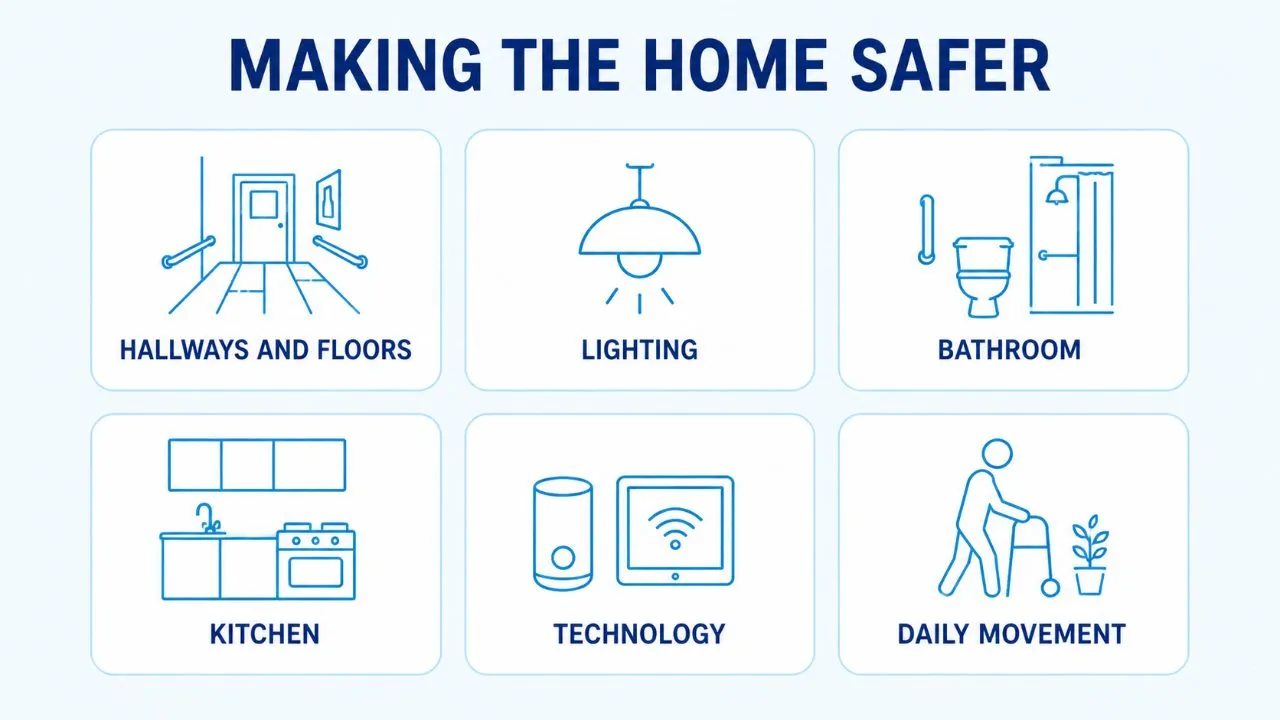
It’s easy to overlook longstanding hazards in the home, such as loose rugs, poor lighting, uneven floors, cluttered hallways, or bathrooms lacking grab bars. If you’re not careful, these can all pose a tripping hazard for seniors. The Centers for Disease Control and Prevention (CDC) reports that falls are the leading cause of injury among older adults and that many falls are preventable when environmental risks are addressed (CDC, 2023). When issues such as securing rugs, clearing pathways, installing handrails, and adding grab bars are addressed by experts, the environment can become safer and enable independent living.
Lighting, Bathroom, and Kitchen
Good lighting is important because your vision worsens with age. Reducing the risk of fall injuries caused by insufficient lighting in hallways, stairs, bathrooms, and entryways. Lights that activate on movement are great for nighttime bathroom trips.
Falls often happen in a bathroom. By installing grab bars beside toilets and in showers, adding anti-slip mats, and considering a walk-in shower or a shower chair, one can make things safer and easier.
An organized kitchen enhances efficiency and safety. Items you use often should be kept as close to you as possible. Making meals simpler helps to reduce your weariness. The caregivers at LiveIn Helper can help with cooking, grocery shopping, and kitchen organization, so that seniors can have nutritious meals with minimal effort.
Technology and Daily Movement
Technology Helps To Live Independently. Using Medisafe for medication reminders, Philips Lifeline for emergency response, Amazon Echo to control with Alexa, and having peace of mind are other good tools. GrandPad and Skype are user-friendly video calling services that help seniors connect with their family and friends. Even though no technology can replace an in-person meeting, it can help seniors and caregivers stay in touch safely.
Establishing healthy habits is also essential to the environment. Staying active keeps you strong, supple, and stable. Activities such as walking, stretching, or even exercises you can do while sitting will help you stay mobile and prevent falls. Caregivers can safely motivate and assist seniors to be active.
The goal is not to turn a home into a hospital, but to make thoughtful adjustments that allow aging parents to enjoy comfort and familiarity for as long as possible.
Coordinating Medical Care With Confidence
Family caregivers often find it difficult to manage healthcare. Multiple doctors, specialists, and therapists may treat older adults. The careful management of appointments, pills, and treatment plans deserves ongoing attention.
Managing Medications and Records
A lot of older adults are on prescription medications, which can be confusing due to different schedules and instructions. If you miss doses or get confused, you can get sick. Family caregivers have to manage medicines, refill prescriptions, and communicate with medical professionals when needed.
Preserving organized medical records simplifies appointments and follow-up care. Centralizing information on medications, allergies, diagnoses, emergency contacts, insurance, and doctors’ advice enables quick responses during visits or emergencies. Tools such as binders, notebooks, or digital apps, such as MyChart, which allows patients and families to access and manage health information electronically, help keep records current and accessible, reducing confusion when multiple family members are involved.
Going to medical appointments with aging parents gives caregivers a chance to ask questions, clarify treatment plans, and make sure instructions are understood. As seniors may often forget or omit information, a trusted family member or caregiver should communicate and document it.
Preventive Care, Nutrition, and Emotional Health
As people grow older, preventive health care is important. Vaccines, regular checkups, and dental care will help identify matters before they worsen. Consistent preventive care supports healthy aging and reduces avoidable risks.
You need to eat and drink well to be healthy. Changes in appetite, medication side effects, dental or mobility issues may alter eating habits and increase the risk of malnutrition or dehydration. Making balanced meals and drinking enough water will help. The caregivers of LiveIn Helper can assist with meal planning and cooking.
Emotional health support is medical care. Feeling anxious, lonely, grieving, or depressed can hinder recovery and reduce quality of life. When family members engage in check-ins, conversations, and activities with the child, they become emotionally stronger. Consistent companionship reduces loneliness and allows for more socialization.
Protecting the Well-Being of the Family Caregiver
While concentrating on aging parents, family caregivers often overlook their own well-being. Many feel obligated to manage everything alone and may view seeking help as a lack of commitment. These feelings are common, but requesting aid is a healthy and normal part of caregiving. Sustainable caregiving demands care for your own physical, emotional, and mental health.
Recognizing Caregiver Burnout
Burnout of caregivers may develop slowly. These days, long hours, lack of sleep, ongoing worry, and various responsibilities can leave you exhausted and emotionally drained. Prolonged stress can affect relationships, work, and health. It’s normal to feel upset or guilty even when you’re doing your best.
To provide quality health care, take care of yourself first. An individual can maintain their well-being by getting regular check-ups, getting enough sleep, eating well, exercising, and relaxing. Stay connected to friends, engage in hobbies, and take some time out.
Accepting Help Is a Strength
Accepting help is one of the best decisions a caregiver can make. Family, friends, neighbors, community groups, and professional caregivers can share responsibilities. Delegating tasks allows you to focus on your relationship with your parents rather than daily chores.
The specialized assistance provided by caregiving professionals is often invaluable. LiveIn Helper recognizes that quality caregiving benefits the family. LiveIn Helper provides family caregivers with peace of mind and time to rest, knowing their loved one is in safe hands through reliable, gentle assistance tailored to individual needs.
Caring should unite the family and not cause stress. Families will be able to focus on creating memories rather than dealing with responsibilities if both are shared and given enough support. The last section of this resource discusses budgeting for in-home care, powers of attorney, and other important financial and legal issues. These steps assist families in planning for future care needs with confidence. We shall discuss how LiveIn Helper can also bring peace of mind for seniors and their families.
Planning for the Future With Confidence
One of the best things family caregivers can do is encourage aging parents to plan. Although daily tasks tend to be a priority, we are busy; planning brings calmness and reassurance to all! When families prepare early, they can make collective decisions rather than react to a crisis.
Financial Planning
Planning for your finances. Many families underestimate the costs of aging, especially when regular help is needed. Expenses for medicine, home modifications, transportation, healthcare, and personal care can increase significantly. According to the 2023 Cost of Care Survey by Genworth Financial, professional in-home support costs around $5,000 per month. Actual rates vary by level and length of support (Genworth, 2023). Safety equipment, medical supplies, and part-time assistance with meals or housekeeping may incur additional costs. Evaluating multiple financial assistance programs, including long-term care insurance, veterans’ benefits, and community resources, can help make care more affordable. When families understand their resources, insurance, and savings, they are better able to plan and lessen future stress.
Legal Planning
Legal planning is just as pivotal. To be adequately prepared, families should ensure that their powers of attorney, medical directives, and wills are up to date. For example, having a healthcare power of attorney designates someone you trust to make medical decisions if a parent cannot, ensuring the parent receives the treatment they want. It is helpful for parents to open up early in these areas so they can share what they want and everyone can be assured it will happen.
It may be hard to discuss these topics, but considering the other person’s feelings will help. Conversations about planning can be constructive when they focus on preserving independence and honoring wishes. Clear communication builds confidence and can help to prevent miscommunication in times of stress.
Future Living Arrangements
Planning also involves discussing future living arrangements. While many seniors thrive at home for years, their needs may change over time. Early conversations about various options, such as professional in-home care, independent living, assisted living, memory care, and nursing homes, help families identify the best fit as situations change. Dealing with these choices in advance ensures decisions correspond to parents’ preferences. For many, professional in-home care provides the flexibility to remain at home safely as needs change.
The Value of Professional In-Home Care
Many family caregivers feel they must handle every responsibility themselves. While love and commitment drive their efforts, caregiving can quickly become overwhelming. Seeking professional support is not a sign of failure but a practical way to ensure the best possible care.
Professional in-home care allows seniors to remain in the comfort of their own homes while receiving personalized assistance. Unlike facility-based care, services are tailored to each individual’s routines, preferences, and changing needs, helping them maintain independence and a higher quality of life.
Every senior’s situation is unique. Some may only need companionship and light housekeeping, while others require personal care, mobility assistance, meal preparation, medication reminders, transportation, or recovery support after an illness or surgery. Care plans can be adjusted as needs evolve.
Consistent caregivers also provide valuable emotional support. Familiar faces, daily conversations, and shared routines help reduce loneliness, build trust, and improve overall well-being.
Professional care offers families peace of mind, knowing their loved ones are safe and receiving compassionate support. This allows family members to focus on work, personal responsibilities, and spending meaningful quality time together rather than managing daily caregiving tasks.
High-quality caregiving goes beyond completing everyday tasks. Caregivers are carefully screened through background checks, interviews, and reference verification, and receive training in safety, communication, and senior care best practices. Their goal is to provide compassionate, respectful support while helping seniors maintain their independence and dignity. Together with families, they create a caring partnership that benefits everyone.
Why Families Trust LiveIn Helper
Choosing a care provider is an important decision for families. They seek not merely skilled caregivers, but also those who understand the emotional aspects of aging and respect the trust placed in them. Dependability, compassion, and consistency are as important as experience.
LiveIn Helper understands that every situation is different, which has helped earn families’ trust. Some need temporary help following surgery or illness, and others require long-term assistance as health needs change. All efforts are made to provide care tailored to individual routines, preferences, and goals.
A huge benefit of in-home care is its flexibility. As they grow older, seniors can continue to live in familiar surroundings. Further, they can maintain their daily routines and stay connected to their friends, neighbors, and community activities. As continuity is good for mental health, it lessens the stress of major changes.
Families value families’ forthright communication with professional caregivers. When you regularly check in on a loved one’s condition and any changes in their health-related issues. Follow collaborative care to ensure service delivery is efficiently organized, proactive, and flexible in response to changing needs.
Companionship is an important part of quality in-home care. Caregivers are chatting with seniors, sharing hobbies, walking with them, playing games, reading, and encouraging social interaction. Participating in these activities adds richness to everyday life. Psychological well-being supports healthy aging, and constant companionship brings happiness.
People should not have to give up their dignity, independence, and purpose as they age, says LiveIn Helper. Each plan helps enable the senior’s preferred lifestyle, while families can be assured that their loved one is receiving caring and reliable support.
A Meaningful Journey Built on Compassion
Caring for an aging parent is a journey filled with both rewards and challenges. While many family caregivers take on this role out of love, they do not have to do it alone. Planning ahead, creating a safe home environment, and seeking support when needed can make caregiving more manageable while helping seniors remain independent and comfortable.
Professional in-home care allows families to focus less on daily caregiving tasks and more on spending meaningful time together. By working alongside compassionate caregivers, seniors receive personalized support that preserves their dignity, safety, and quality of life in the comfort of their own homes.
At LiveIn Helper, families receive caring, personalized in-home support tailored to their loved one’s needs. From the initial consultation to matching the right caregiver, the goal is to make the caregiving journey easier and more reassuring. With the right support, families can confidently help their aging loved ones continue living safely, comfortably, and independently at home.


